September 9, 2026
Bonus Content: Nvidia’s Server Assemblers Are Funding the AI Build
Before you place another trade…
…make sure you use this 5-part formula that makes every trade a SAFE trade:
Why are we giving this away?
Because we think you’ll love it so much that you’ll come back to us down the road for more advanced training.
Make sense?
Click here to download the Safe Trade Options Formula…
Good Trading,
Bill Poulos
P.S. Take 5 seconds and get your free copy of the “Safe Trade Options Formula” right now before you close this email.
Nvidia’s Server Assemblers Are Funding the AI Build
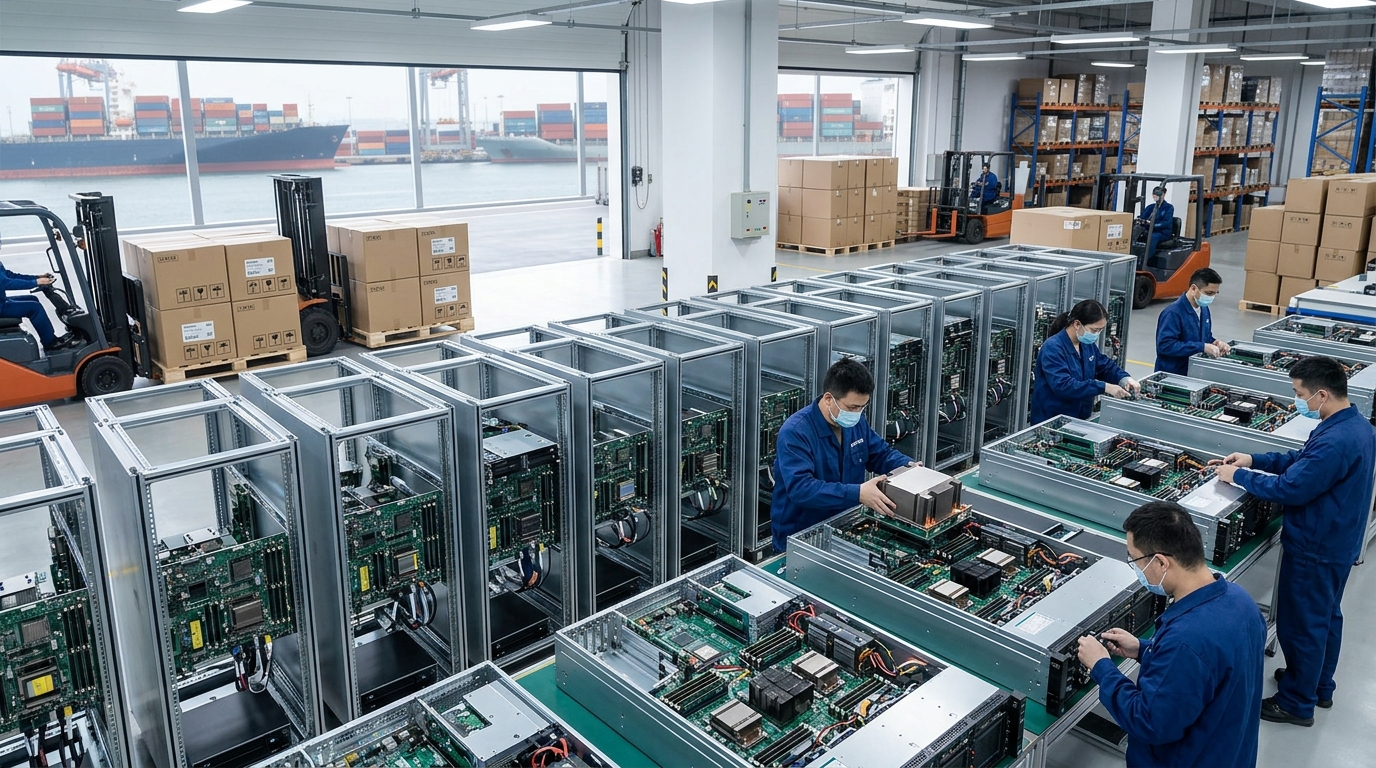
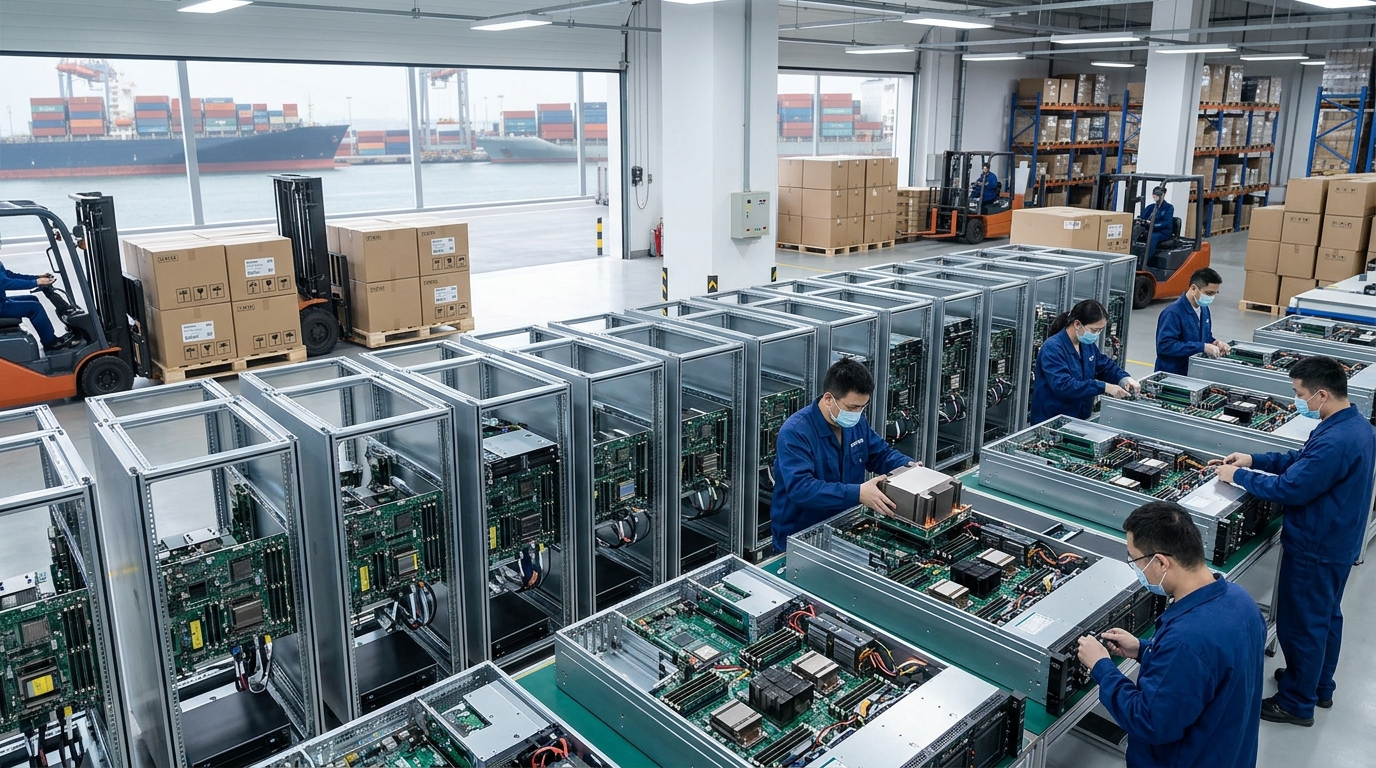
Wistron just handed the market a bill it did not want to open. Taiwan’s Wistron Corp, a key supplier to Nvidia, priced a $1.47 billion global depositary receipt offering Tuesday at a 5.5% discount to the prior close, sending shares down more than 6%. Reuters reported the proceeds are earmarked for foreign-currency purchases of raw materials. Not a new factory. Not R&D. Working capital.
The structure of the trade says everything. Wistron is being asked to hold Nvidia GPU racks on its balance sheet before hyperscalers pay up. More orders means more components, more factories and more working capital before customers eventually pay. That cycle is fine when demand holds. It is brutal when margins are already thin and the share count just rose about 7.29%.
Wistron reported second-quarter 2026 profit after tax of NT$14.827 billion on revenue of NT$895.443 billion. Those numbers look spectacular until you remember what’s behind them: a company spending $700 million on an AI manufacturing plant in Fort Worth, Texas, which currently produces Nvidia’s GB300 Grace Blackwell Ultra Superchips, and now tapping equity markets to buy the components that fill it. If AI-server sales expand without a corresponding improvement in profitability, shareholders absorb dilution without receiving enough incremental earnings in return.
For US options traders, Wistron itself is off the table. Its Taiwan listing offers no practical defined-risk instrument. The trade is in the read-across.
Where the Signal Lands
Not all server assemblers carry the same working-capital risk. Celestica (CLS) has been building a meaningfully different profile. Q2 revenue came in at $4.70 billion, up 62% year over year, with adjusted operating margin reaching 8.2%, a new company record, and well above the 5-6% range typical for contract electronics manufacturers. That margin gap matters: it leaves more cash inside the business rather than on the floor of a component warehouse.
Management expects revenue growth in 2027 to accelerate relative to the 65% revenue growth rate anticipated in the latest 2026 Annual Outlook. Partnerships tied to OpenAI and Broadcom’s custom accelerator efforts, along with AMD’s Helios rack-scale platform work and 1.6T networking programs, are positioned as 2027 drivers. The company has an earnings catalyst ahead, but Celestica has not yet confirmed the date and timing for its next quarterly earnings release.
Jabil (JBL) offers a second data point. Jabil has said its fiscal 2026 AI-related revenue outlook is now meaningfully higher. However, it has not consistently published a single, company-wide figure of approximately $13.6 billion in its recent releases, and it has not formally guided that core operating margin will move above 6% for fiscal 2027. The direction of travel is still clear: improved mix and AI infrastructure demand are boosting confidence into fiscal 2027.
The Options Perspective and the Trade
CLS is the cleaner vehicle. The stock pulled back after its Q2 beat, even as some investors stayed focused on elevated capital spending guidance. That compression sets up a more reasonable entry for a defined-risk long. CLS shares rose about 10% on July 28, 2026, the session after the company reported Q2 results on July 27, 2026.
A bull call spread expiring in November fits the situation. Buying an at-the-money call and selling a higher-strike call caps the premium at risk while still capturing meaningful upside if Celestica confirms that its margin advantage over commodity assemblers is widening. Time decay is contained compared to a naked long call, and the structure defines maximum loss from day one.
The thesis breaks if AI infrastructure spending turns or if hyperscalers begin pushing harder on contract pricing. Celestica’s customer concentration is real: supply chain constraints remain a key limiter despite record operating margins, and the company has indicated 2026 capital expenditures of approximately $1 billion. Position size should reflect both.
The Beast Verdict
Wistron’s equity raise is not a sign that AI server demand is collapsing. What it does reveal is that the working-capital burden of the buildout is landing unevenly across the assembler universe. Low-margin players dilute. Higher-margin players compound. Celestica’s next earnings report is the next moment where that distinction either widens or closes. A defined-risk call spread keeps the downside fixed while that answer arrives.