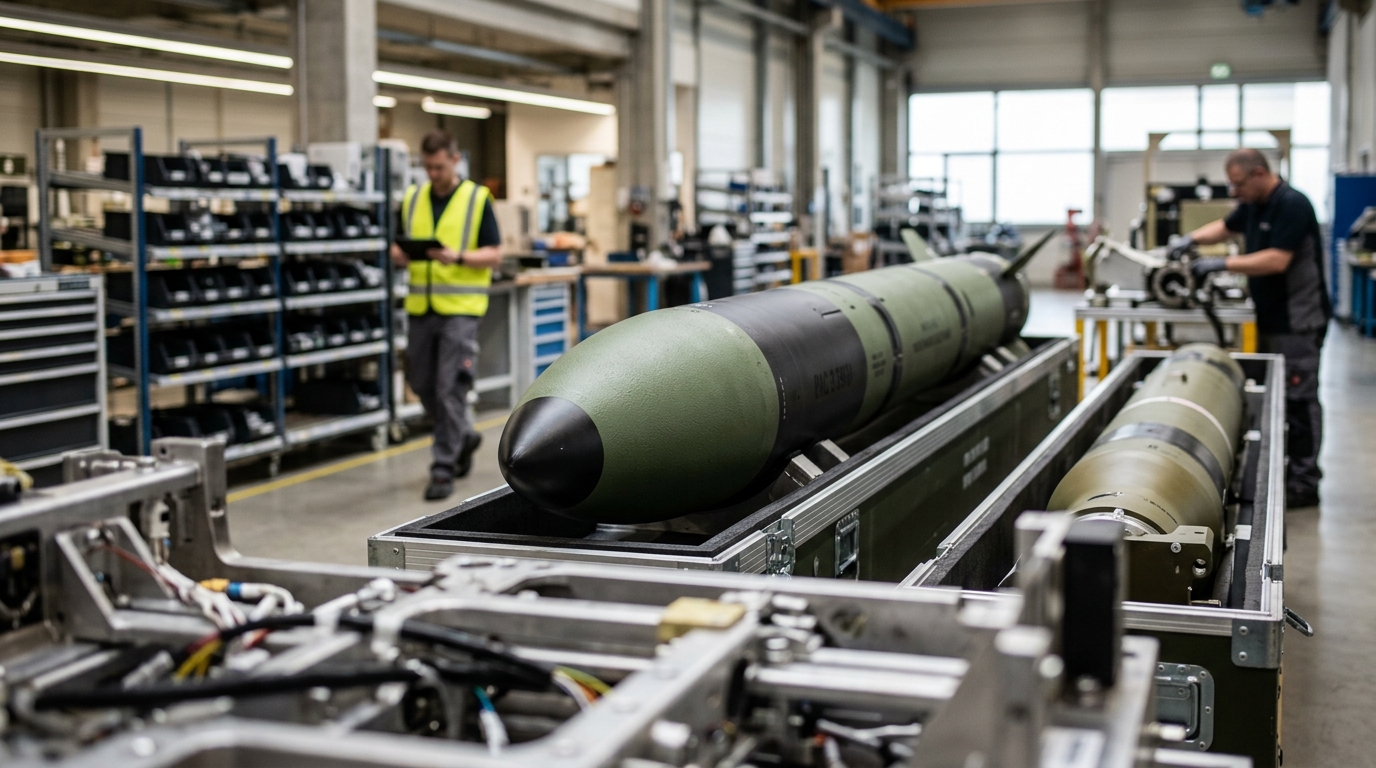
The transformer backlog is no longer a procurement problem. It is a structural market condition, and the four OEMs sitting at its center are compounding pricing power every quarter it persists.
- Lead times: Standard power transformers averaged about 128 weeks in the U.S. in 2026; generator step-up units (GSUs) averaged about 144 weeks; specialty units are quoted at four years.
- Price inflation: Distribution transformer prices are up 78–95% since 2019; power transformers are up roughly 77%.
- Siemens Energy: Grid Technologies order backlog reached a record €51 billion ($59B) as of June 30, 2026, which Siemens Energy reported on August 5, 2026, with segment orders up 28% year over year to about €5.4 billion.
- GE Vernova: Total backlog reached approximately $176 billion as of June 30, 2026, with management describing new orders in 2026 as being priced 10–20 points higher than late-2025 orders on a dollar-per-kW basis. GE Vernova also said the Prolec GE acquisition added about $5 billion of backlog to Electrification equipment backlog.
- New capacity: Siemens Energy has said its transformer and gas-insulated switchgear capacity is planned to increase by around 50% between 2026 and 2030; a new large-transformer plant takes three to five years to build and certify.
The Real Bottleneck
The story the market tells is about GOES, the specialized magnetic core steel produced domestically at a single mill in Butler, Pennsylvania. That constraint is real. But it is not the binding one.
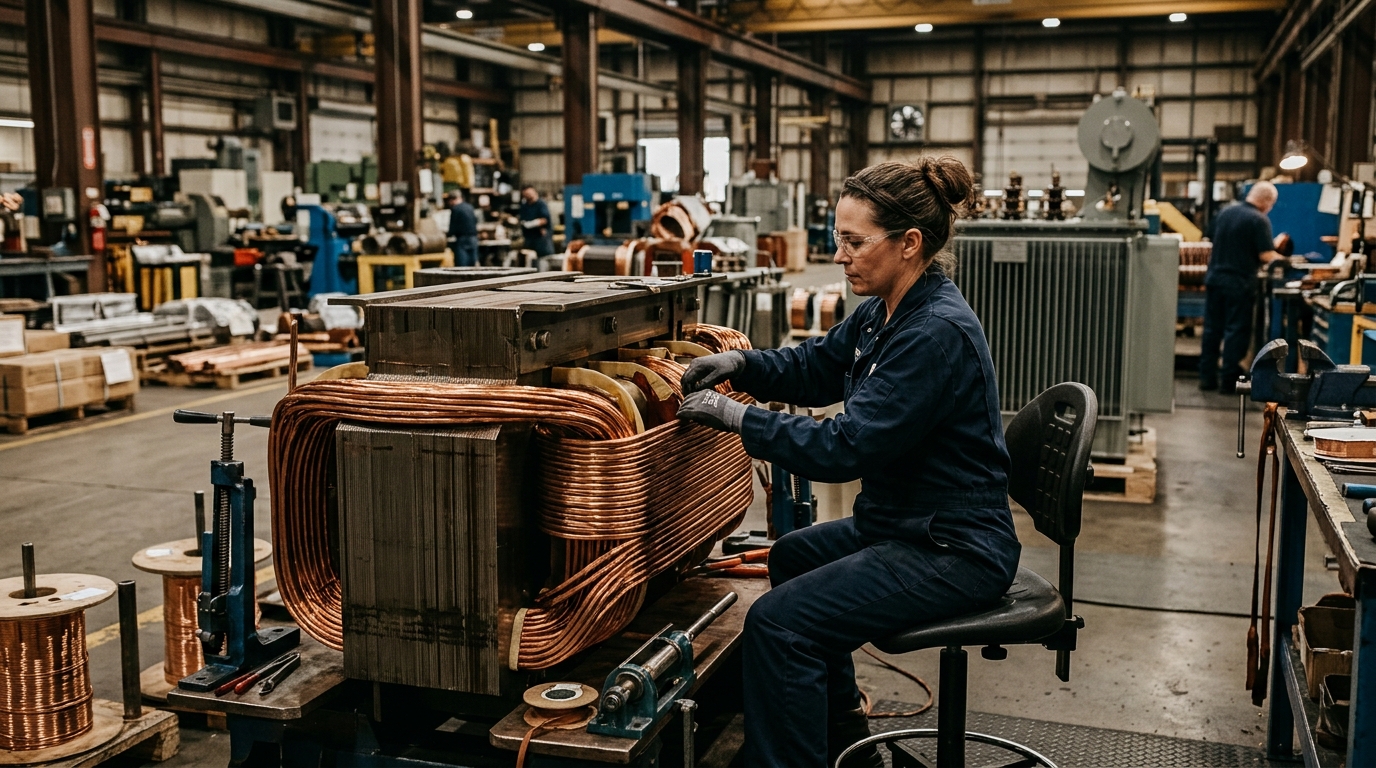
The actual ceiling is a roughly 15,000-person U.S. workforce, and transformer manufacturing remains labor-intensive in coil winding and testing, with lead times now topping 128 weeks and new OEM production lines not coming online until 2027–2028. No amount of capital commitment changes that math before then. A new large-transformer plant takes three to five years to build and certify, and production depends on skilled labor winding coils, plus test bays with limited throughput.
Tier 1 manufacturers are quoting multi-year lead times, commonly in the 48–60 month range on large high-voltage units, with some lines running longer, effectively closing the order window for any 2028 commissioning target. A utility procurement officer placing an order today is buying delivery in 2030 at best.
Backlog as Pricing Power
Siemens Energy’s record €51 billion grid backlog, with segment orders rising 28% year over year to about €5.4 billion, was driven by demand including the transformer business, according to the August 5 report.
GE Vernova’s total backlog reached roughly $176 billion as of June 30, 2026. That quarter also reflected the inclusion of Prolec GE, and the company has disclosed about $5 billion of backlog from Prolec in Electrification equipment backlog. That acquisition matters: Prolec controls North American production capacity that would otherwise have sat outside the consolidated entity’s control. Bringing it in-house tightens the oligopoly further.
Trading Framework
Three scenarios define the range from here. In the bull case, interconnection approvals accelerate and data center load additions pull forward equipment orders, sustaining book-to-bill ratios above 1.2 and supporting further margin expansion as higher-priced backlog converts through 2027–2028. In the base case, lead times plateau near current levels, backlogs grow modestly, and pricing holds firm without acceleration. In the bear case, a U.S. recession compresses data center capital expenditure plans, reducing new order flow without immediately releasing existing backlog, creating a revenue air pocket in 2027.
The key level to watch is Siemens Energy’s book-to-bill: at 1.48 as of the August 5, 2026 update, shipments still trail bookings. Any compression below 1.0 is the earliest warning sign this cycle is turning. Until that happens, equipment availability has replaced capital availability as the binding constraint on industrial and digital expansion, and the four OEMs holding the queue own that leverage entirely.