The numbers out of Riyadh look like relief. Saudi Arabia told OPEC that it pumped 8.372 million barrels per day in September, up more than two million barrels per day from August. The IEA confirmed the broader trend: global oil supply increased by 2.5 million barrels per day month on month to 102.3 million barrels per day in September, with OPEC+ gains of 2.1 million barrels per day led by Saudi Arabia. On paper, this is the most consequential supply recovery of the year.
Oil’s reaction told a different story. Brent ended the week just shy of $110 a barrel, settling at $109.86 after a 3.7% jump on the day and a second straight weekly gain. The market looked at 102 million barrels a day of global supply and bought. That gap between the data and the price is the story worth reading carefully.
What the Supply Recovery Actually Is
Saudi output surged by roughly 2 million barrels per day in September, bringing the total to 8.372 million. That marks a sharp recovery from the lowest level in more than 30 years. The distinction matters. This is a partial rebound from a wartime collapse, not a return to normal capacity. Pre-war Saudi output was running well above 10 million barrels per day.
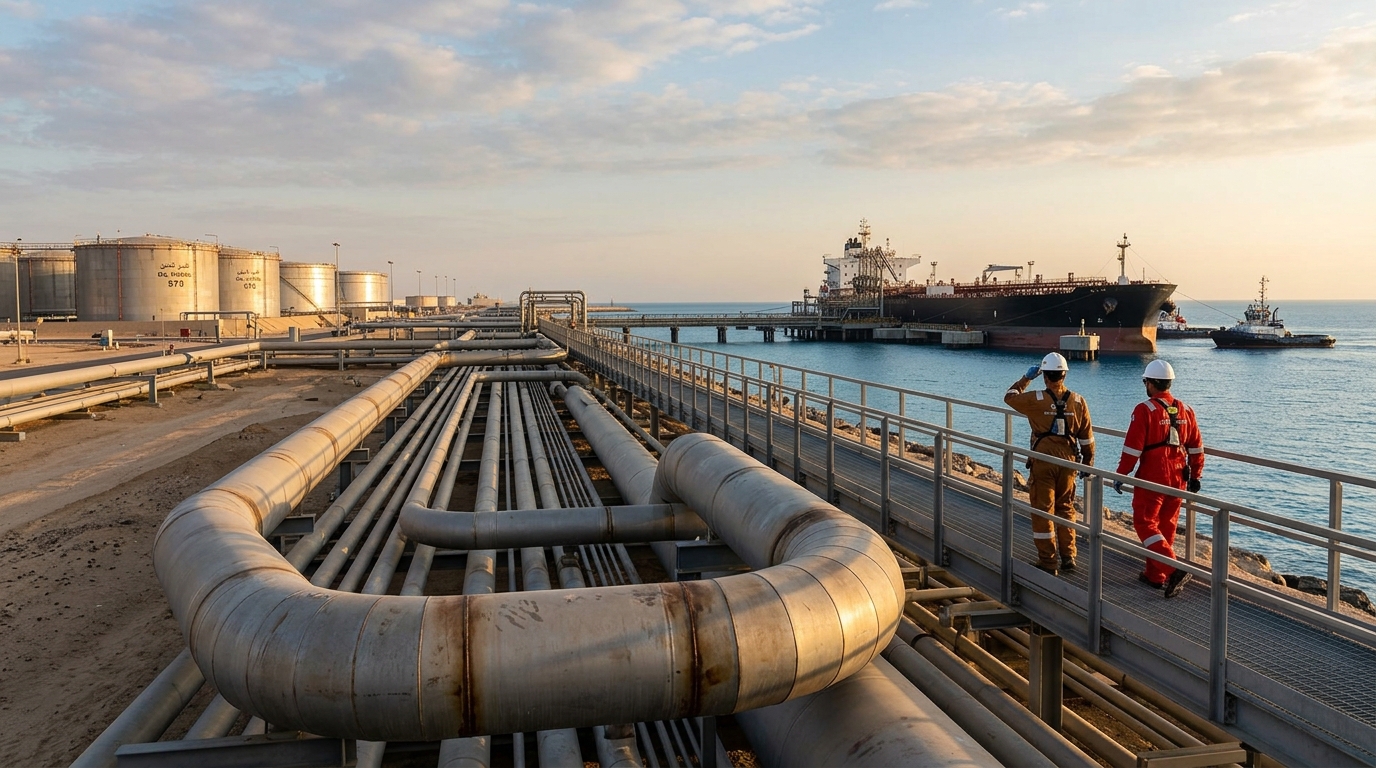
Riyadh is moving to widen its export options. Saudi Arabia plans to expand its pipeline crude export capacity to as much as 10 million barrels per day by repurposing a domestic gas pipeline and investing in its existing East-West network, with the kingdom able to add up to 1.2 million barrels per day of oil export capacity within seven to eight weeks. Saudi Aramco was told it could use the pipeline for oil transport until May, after which it would need to be cleaned and returned to gas service ahead of the summer season. The plan has a hard expiration date built in.
The East-West pipeline has its own recent scar tissue. Recent attacks on the East-West pipeline underscore the potential for continued volatility in physical oil flows. Even when production numbers recover on paper, the export system remains exposed to the conflict’s spillover risks.
What the Market Is Actually Trading
The IEA’s October report did not read as bullish as the supply headline suggests. World oil demand is forecast to fall by 2.5 million barrels per day year on year in the fourth quarter of 2026, with diesel registering 25% of the drop as the Iran war manifests through restricted product availability, soaring fuel prices, and a deteriorating economic outlook. The IEA also noted that with supply losses outpacing weaker demand, inventories have continued to decline. That inventory draw, not the September output figures, is the market’s anchor.
Brent near $110 is pricing the route, not the barrel count. It remains unclear whether the recovery has withstood the risk of renewed disruptions to shipping through the Strait of Hormuz and the wider region. Supply that cannot be insured and loaded at scale does not reach the market, regardless of what the OPEC monthly report says about production.
Where It Shows Up
For ExxonMobil, the arithmetic is direct. In ExxonMobil’s filings, a $1 per barrel change in the Brent price has an approximately $700 million annual after-tax effect on Upstream earnings. With Brent roughly $40 above its 2025 average realization, that sensitivity is generating real dollars. For fiscal 2026, analysts project ExxonMobil’s earnings per share at $12.52. But the forward price matters as much as the current one: Exxon trades around 13.5 times forward earnings, meaning investors are already paying more for each dollar of expected profit than they usually do.
The XLE energy sector ETF captures the same tension across a broader basket. High prices are padding earnings; the question is duration. EFG Hermes has estimated that Saudi Arabia needs oil in the mid-$110s per barrel range to fully cover its spending commitments when including off-budget spending, which means Riyadh has a fiscal incentive to keep barrels moving and prices elevated simultaneously. Those two goals are not always compatible.
Risks on Both Sides
The bull case is straightforward: the IEA expects oil supply to fall by 5.8 million barrels per day in 2026 while demand drops only 2.6 million barrels per day. That structural gap is real.
The bear case is equally clear. The IEA projects supply will reverse course and rise by 7.7 million barrels per day in 2027. A ceasefire, a reopened strait, and Saudi output returning to pre-war levels would hit prices faster than any OPEC meeting could offset.
The gas-pipeline conversion is the next concrete date to watch: Saudi Arabia could add up to 1.2 million barrels per day within seven to eight weeks. Whether those barrels reach buyers without incident will tell the market whether September’s rebound was a turning point or a pause between disruptions.