September 16, 2026
Bonus Content: Goldman Sachs Has One Chance to Answer Before Oct. 13
Robotics stocks are having a pivotal moment. And one of those stocks is changing on 9/17.
A recent robotics IPO was oversubscribed 8,000X, and nuts and bolts flew in celebration.
Experts say the frenzy could reprice robotics stocks everywhere.
Meanwhile, everyday investors like you didn’t miss an opportunity to get in on this boom: a private-stage company named Miso Robotics.

Miso’s Flippy robot works the fry station and was already boosting profits up to 4x for restaurant brands like White Castle. That led industry powerhouse Ecolab to invest in Miso’s growth.
Now, after Miso made two major asset acquisitions in 2026, Flippy is the star of Miso’s expanding ecosystem. Customers think of it as the new operating system for modern restaurants.
This year alone, Miso added big-name customers like Jersey Mike’s and Cinnabon, and grew their patent portfolio by ~10X to over 300. Their robots have even expanded beyond restaurants, entering college campuses and NBA arenas.
Everyday people like you have already made 44k+ investments into Miso so far. Now’s your chance to claim your own stake in the robot boom.
But hurry. Invest in Miso at $5.48/share before the price changes on September 17.
Goldman Sachs Has One Chance to Answer Before Oct. 13
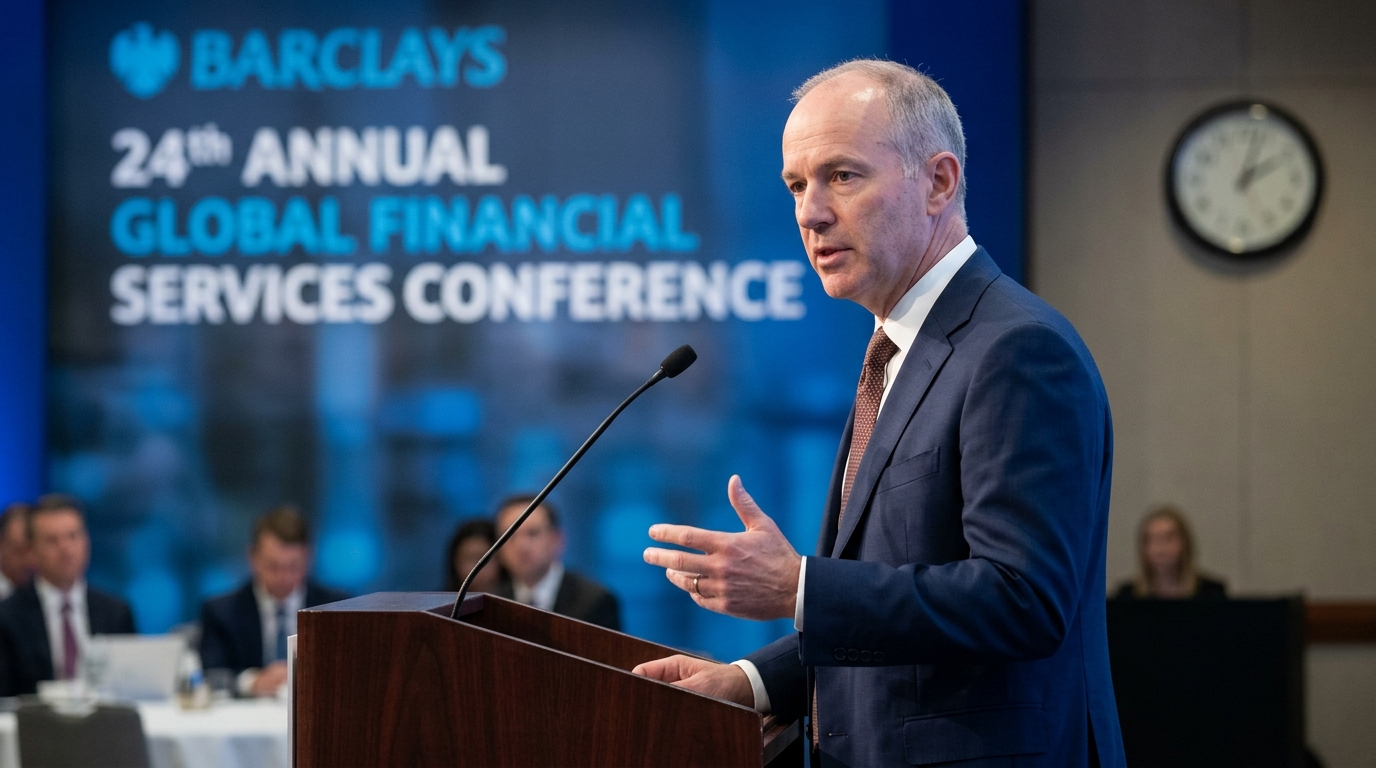
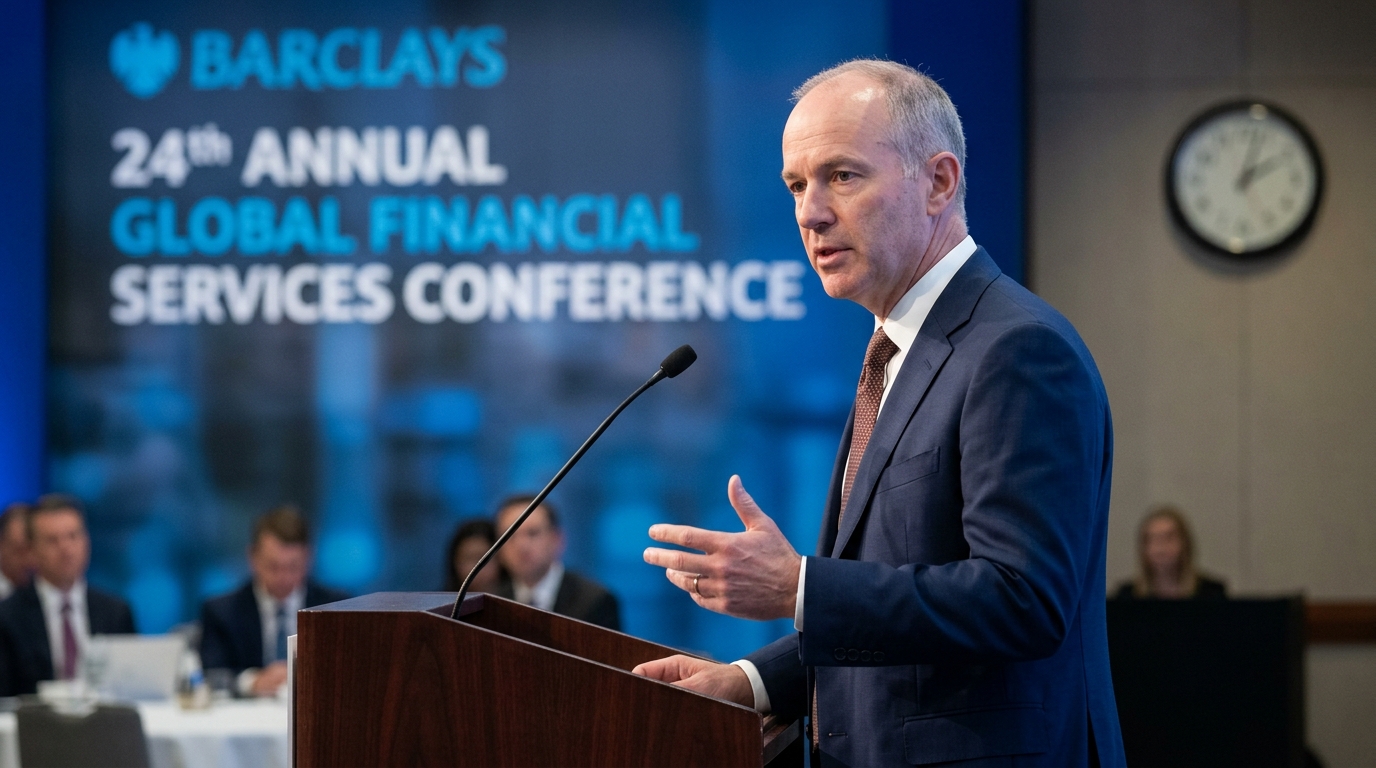
Two things happen at 2:00 pm ET today and neither one waits for the other. David Solomon, Goldman Sachs Chairman and CEO, is scheduled to speak at the Barclays 24th Annual Global Financial Services Conference on Wednesday, September 16, 2026, at 2:00 pm ET. At that same minute, the Fed interest rate decision is announced with the Summary of Economic Projections and dot plot. Markets get both simultaneously. The question for GS options traders is which one moves the stock more by the close, and whether the selloff of the past two days has already priced in the wrong answer.
The Bar Moynihan Set
Bank of America’s investment banking fees will likely decline by more than 10% in the third quarter from the year-earlier period, while trading revenue will be roughly flat, CEO Brian Moynihan said Monday. Moynihan projected investment banking revenue to be between $1.6 billion and $1.8 billion in the third quarter, down from $2 billion in the same period a year earlier. That is the bar Solomon must clear or rebut today. Shares of BofA extended losses after his comments, dropping over 5% by late afternoon trade, and the S&P 500 banking index was down 2.7%.
GS closed at $988.45 on September 14, roughly 14% below its 52-week high, after that selloff swept through the sector. The stock had been as strong as it gets: Goldman reported its Q2 2026 earnings on July 14, posting EPS of $20.98. But that was then. The question crowding the Barclays room today is whether Q3 is a repeat of Q2’s strength or a confirmation of what Moynihan described.
Why Goldman Is Different
BofA’s warning may not translate one-for-one to Goldman, for a structural reason. Goldman managed more than $1 trillion worth of announced mergers and acquisitions so far in 2026, marking a record pace for any investment bank within a half-year period. This represents a 71% increase from the comparable period in 2025, underscoring the sharp rebound in corporate transaction activity. That pipeline does not disappear because one quarter is slower. Advisory fees follow closings, not announcements, so Goldman’s backlog gives it runway that a more flow-dependent bank does not have.
The culprits behind the broader slowdown include slipping financing activity and the effect of higher-for-longer rates on deal pipelines. That second point matters for today’s Fed decision. Futures traders and most forecasters going into the meeting have expected a quarter-point hike. If Chair Warsh delivers a hawkish dot plot alongside the hike, financing conditions tighten further and advisory pipelines could slow into year-end. Solomon will be asked directly, and his tone on that question may move GS as much as anything else he says.
The dot plot’s signal on 2027 rates is arguably the more consequential variable for bank stocks than the hike itself, which is already largely priced. how the Warsh dot plot’s 2027 median is expected to move banks and rate-sensitive sectors breaks down which parts of the projection matter most for positioning — context that applies directly to how Solomon’s pipeline commentary will be received in the room.
AI’s NEXT Magnificent Seven
The Original Magnificent Seven Produced 16,894% Average Returns Over 20 Years.
But the Man Who Called Nvidia at $1.10 Says “AI’s Next Magnificent Seven Could Do It Even Faster.”
The Options Opportunity
Goldman Sachs Q3 earnings are expected on October 13, 2026, before open, though the company has not formally confirmed the date. That gives any position built today a hard catalyst 27 days out. The stock sits near a defined level after a two-day sector-wide flush. A bull call spread in the October expiry captures the earnings event with capped premium at risk and a clear thesis: Solomon’s remarks today stabilize the fee-pipeline concern, the sector oversold the BofA read-through, and Goldman’s M&A dominance supports a recovery before Q3 results.
The specific construction worth considering: buy the October 16 $1,000 call and sell the October 16 $1,060 call. The sold call limits premium outlay while keeping the position inside a realistic recovery range toward GS’s recent trading levels. Maximum loss is the debit paid. Maximum gain is realized if GS reclaims $1,060 or above by expiration.
What Invalidates This
Three things kill the thesis. Solomon confirms IB fee softness explicitly and brackets guidance below the Street. The Fed delivers a hike and signals more to come before year-end, pressuring advisory pipelines further. Or GS fails to reclaim the $988 area on volume, signaling that the sector selloff continues rather than reverses. Size the position so that losing the full premium does not matter. This is a dated, defined-risk idea built around a specific catalyst window. Treat it that way.
Structuring around a hard catalyst date is a discipline that applies well beyond Goldman. how a ticking deadline was used to frame asymmetric defined-risk trades in PSKY and WBD walks through the same catalyst-anchored logic — useful for anyone calibrating how much premium is worth risking when the expiration and the event are this tightly aligned.
The room fills at 2:00 pm. So does the newswire.