
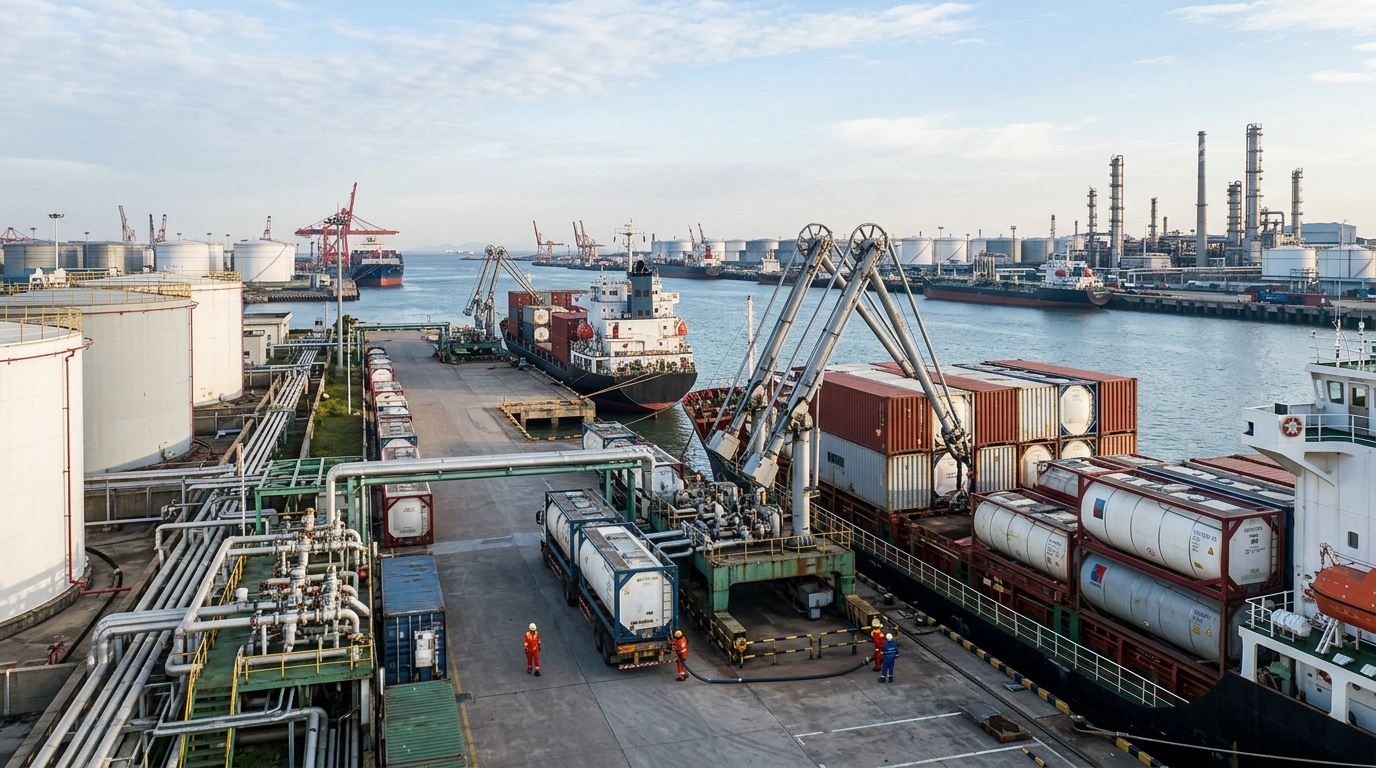
The trade that has made Valero, Marathon Petroleum, and Phillips 66 among the best-performing stocks in the S&P 500 this year rests almost entirely on one thing: diesel too scarce to find a bottom. That condition is still intact. But Friday brought the first credible threat to it, and traders who are long refiners without protection should pay attention.
The Catalyst That Changes the Math
China is set to resume October refined fuel exports after a brief halt during its Golden Week holiday, with October approvals for diesel, gasoline, and jet fuel combined at around 3.7 million metric tons, according to four trade sources who spoke to Reuters on Friday, October 9, 2026. Beijing began curbing exports in March to safeguard domestic supplies as the U.S.-Israeli war on Iran disrupted crude flows and refinery output in the Middle East, and while it relaxed controls between July and September, those curbs contributed to tighter global supply and forced Asian buyers to seek alternatives.
The volume matters less than the signal. Market analysts said China’s move would only modestly ease fuel market tightness, with Energy Aspects oil market analyst Stuti Jhunjhunwala noting the relief would be limited because markets remain tight overall and Middle Eastern supplies are still disrupted. But modest is precisely enough to move options markets, and the refiner stocks have run too far on too little margin for safety.
The Structural Bull Case Is Real. That’s the Problem.
East Coast distillate inventories fell 32% below their five-year seasonal average in September, and the EIA’s October 2026 Short-Term Energy Outlook projects they will remain roughly 20% to 30% below the 2021-2025 average through the upcoming winter, with inventories remaining below average through the forecast period. Total U.S. diesel inventories declined to 107.9 million barrels by September 11, the lowest for this time of year since records began in 1982.
The EIA forecasts retail distillate prices will remain above $6 per gallon in October before coming down gradually with crude prices and a slight inventory recovery. Reuters analysis published in September went further, concluding that the combination of falling inventories and rising storage availability suggests market participants expect supplies to remain tight into at least the first quarter of next year, with storage tanks typically leased for six months to a year.
That long duration of tightness is exactly what lifted refiner shares to extraordinary levels. VLO stock has gained more than 153% in 2026, while MPC has surged more than 162%, and PSX more than 106%. The U.S. diesel crack spread hit an all-time high of $102.20 a barrel, a signal that diesel is in short supply even as crude looks relatively calm. Those returns now represent a crowded position with a single known exit risk: Chinese supply returning to the market.
Options Perspective
As of mid-September, Phillips 66 30-day implied volatility sat at 40, Marathon Petroleum at 47, and Valero at 48, all near the top of their respective 52-week ranges. Near-peak IV on stocks that have doubled or tripled means put protection is expensive, but it is not prohibitively so when the alternative is riding an unhedged position through a crack-spread compression event.
The structure that fits this moment is a bear put spread on VLO, targeting the November expiry that captures Q3 earnings on October 22. VLO’s more concentrated refining model means its results swing more directly with refining margins than Phillips 66, which has broader midstream and chemicals cash flows to cushion a crack-spread move. Buying the November at-the-money put and selling a put roughly 10% lower caps the premium outlay while still capturing the bulk of a reversal if Chinese volumes and easing inventory pressure begin compressing spreads.
Crack spreads this extreme historically compress once refiners ramp utilization or a geopolitical resolution reopens flows, and Valero’s own COO Gary Simmons has argued the mid-cycle margin floor has shifted structurally higher, but “structurally higher” is not “permanently at $102.” That gap between floor and current level is the thesis.
The Beast Verdict
This is not a call that diesel markets will normalize. The EIA’s own projections keep inventories depressed into much of 2027, and one month of Chinese exports will not reverse what geopolitics and refinery closures built over two years. The argument is narrower: refiner stocks have already priced a durable crisis, and Friday’s China resumption is exactly the kind of event that gives the options market a reason to re-rate the downside. Position accordingly. Define the risk before earnings arrive, not after.