The clearest signal of where institutional money is heading right now did not come from a stock exchange. It came from Irvine, California, where FieldAI signed a term sheet for a $700 million raise at a $10 billion valuation, according to Business Insider. The financing would increase the company’s valuation fivefold in slightly more than a year. Twelve months ago, the same business was worth $2 billion. That compression of time is the story.
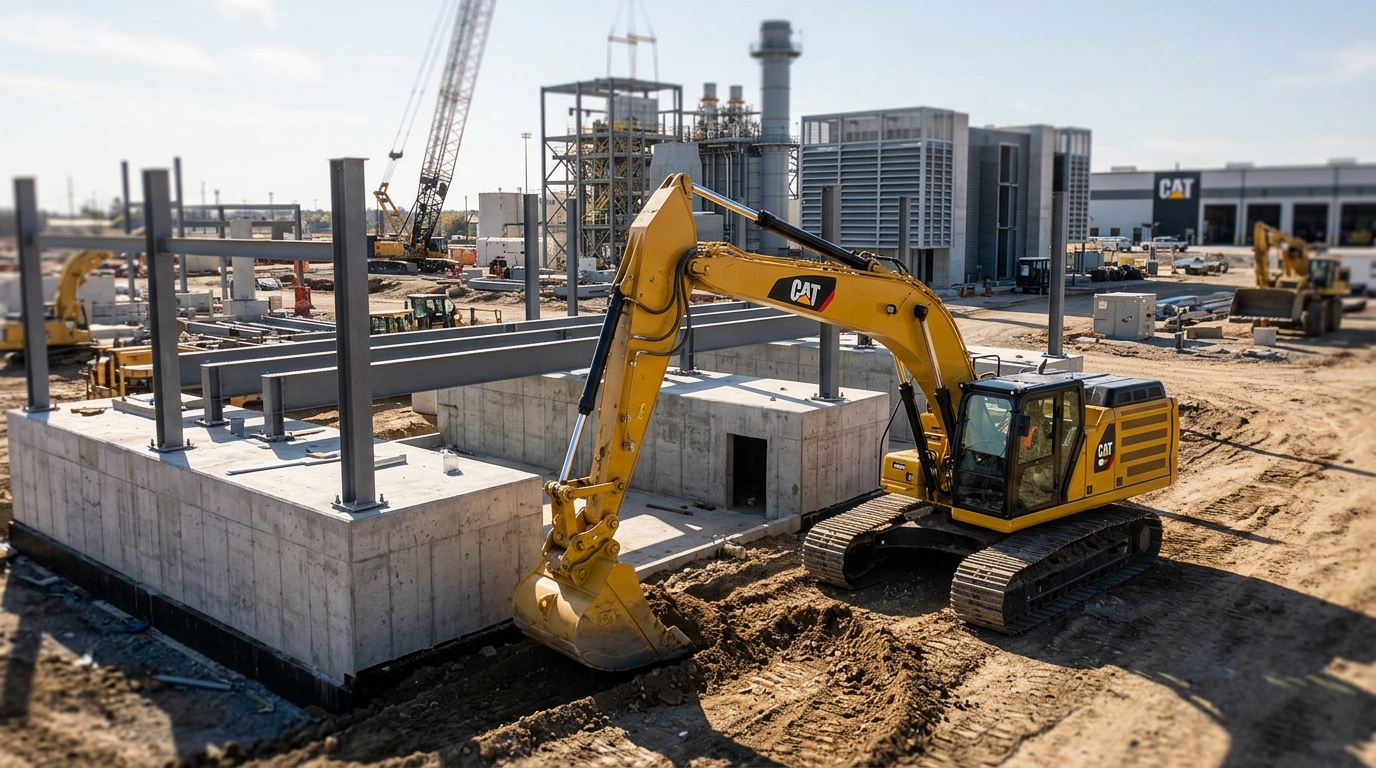
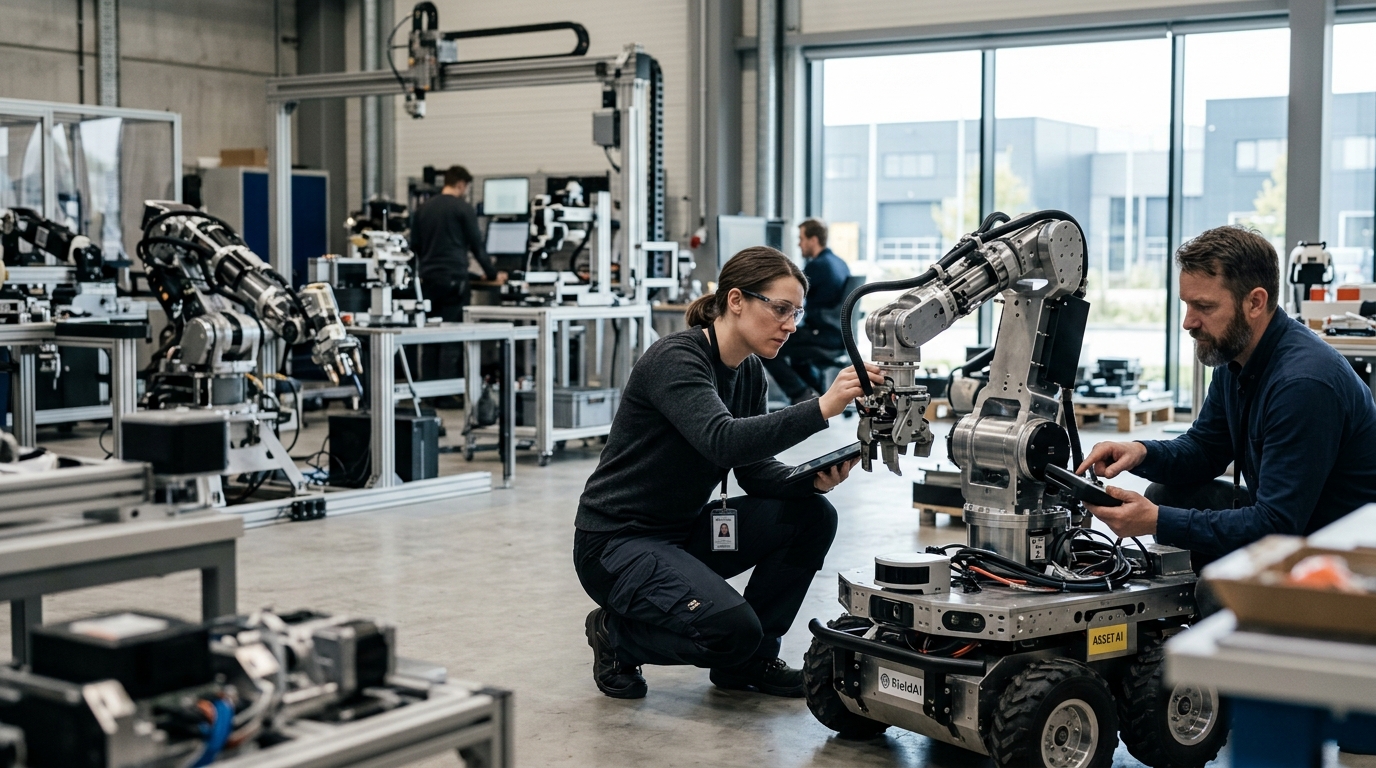
The company’s software runs humanoids, robot dogs, drones, and industrial rovers for construction, data centre, and defence customers. FieldAI’s investor roster includes Bezos Expeditions, Nvidia’s NVentures fund, and Intel Capital. That Nvidia connection matters, because it links FieldAI directly to the same capital ecosystem backing the listed names traders can actually buy.
The backdrop sharpens the case. Nvidia-backed Australian AI data centre operator Firmus pulled its planned IPO on October 9, 2026. Reuters reported the deal had been marketed as a roughly $5 billion raise at an equity valuation of about $30.6 billion. The collapse marks a notable stumble for the AI infrastructure listing pipeline in 2026, a reminder that public market investors are applying stricter scrutiny to capital-intensive stories with limited operating histories. Capital that was queuing for data centre listings is now looking for somewhere else to go. Physical AI is the answer it keeps finding.
The Listed Proxies
Nvidia (NVDA) is the clearest through-line. FieldAI, Skild AI, and Teradyne Robotics are among the physical AI developers using Nvidia’s Physical AI Data Factory Blueprint. Jensen Huang has said, “Every industrial company will become a robotics company,” and Nvidia’s venture arm is writing the cheques that prove it. The stock is not cheap, but it is the scaffolding the entire physical AI layer is being built on.
Teradyne (TER) deserves more attention than it typically gets in this conversation. Q2 2026 revenue reached $1.329 billion, with robotics revenue rising 33.4%, helped by higher sales of collaborative robot arms and autonomous mobile robots. In Q1 2026, Teradyne reported record non-GAAP EPS of $2.56, beating consensus estimates by about 21%, on revenue of $1.282 billion representing an 87% year-over-year surge. It is also a named partner on Nvidia’s physical AI blueprint. TER trades near $402 and offers dual exposure: semiconductor test equipment and a robotics segment that is genuinely accelerating.
Symbotic (SYM) is the more complicated position. Q3 fiscal 2026 revenue reached $721 million, up 22%, while adjusted EBITDA more than doubled year over year to $95 million. The backlog sits at roughly $22.5 billion. The stock should come with a warning label, though: 90.5% of its third-quarter revenue came from a single customer. Symbotic trades around $42. The underlying business is real. The concentration risk is also real.
ABB is the one name on the desk’s list that warrants a flag. ABB agreed to sell its robotics division to SoftBank for $5.375 billion, with the deal expected to close in mid-to-late 2026. Traders treating ABBNY as a pure-play physical AI position are working with outdated assumptions.
What to Watch
VC investment into humanoid robotics startups has hit $11 billion in 2026 year to date, more than double 2025’s full-year record, according to Dealroom. FieldAI’s raise did not create that trend. It confirmed it. The listed names best positioned to absorb the overflow are Teradyne, for its combination of accelerating robotics revenue and Nvidia partnership, and Nvidia itself, for the platform role no other public company can replicate. Symbotic earns a watch but not a chase at current momentum levels. The Firmus failure is a warning about paying data-centre multiples for AI adjacency. The FieldAI raise is a signal about where patient capital is landing instead.